What Are ChatGPT Ads? Advertising in ChatGPT Explained
ChatGPT Ads are paid placements inside ChatGPT. Here is how advertising in ChatGPT works, since the EU rollout, and who it pays off for.
 Richard Roth SEO & GEO Freelancer
 September 5, 2026
5 min read
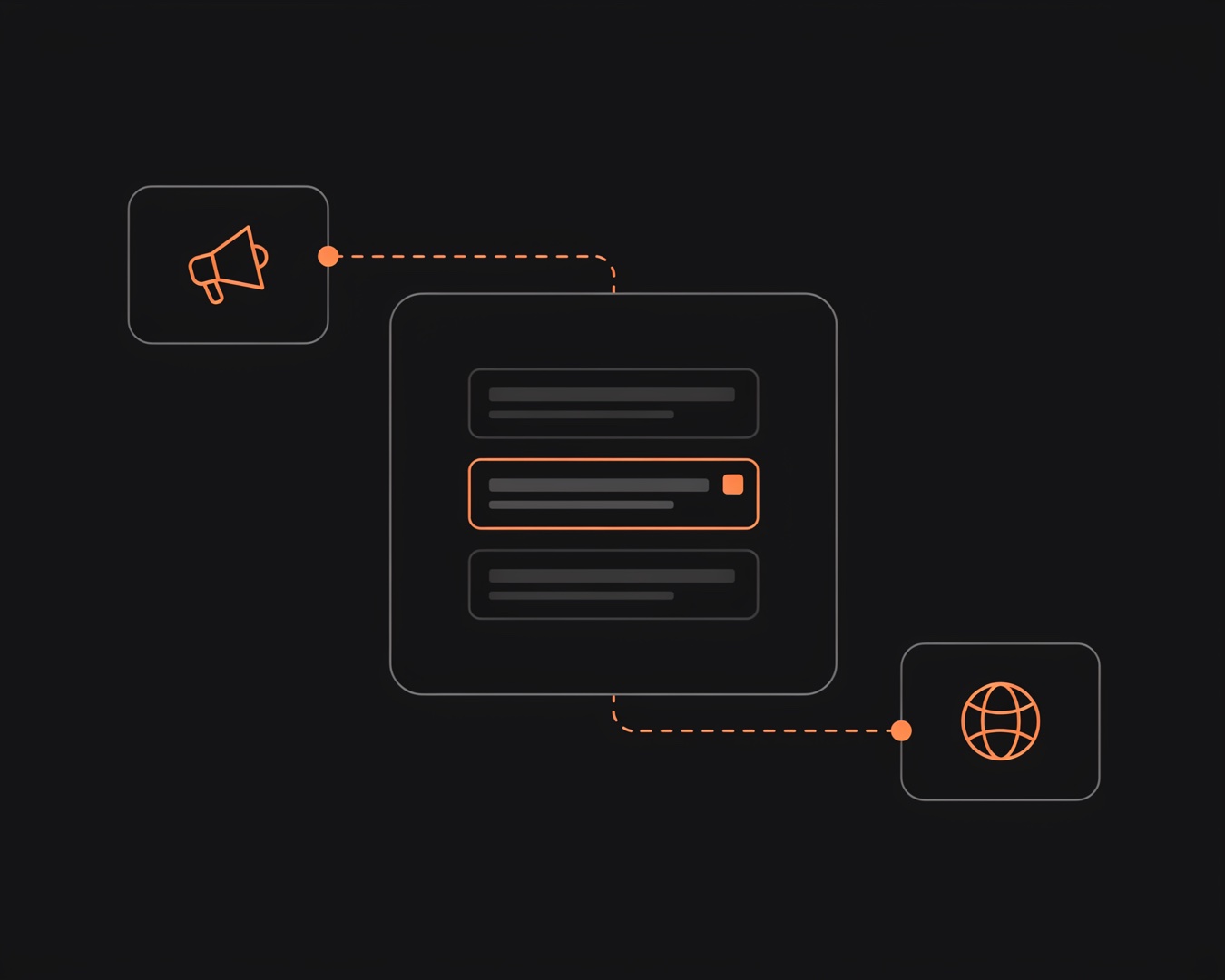
ChatGPT Ads are paid placements inside ChatGPT. Instead of a classic ad next to Google search results, the ad appears around the AI answer, right where users ask their question and expect a recommendation. Since OpenAI rolled out advertising in ChatGPT in the EU as well, this has become its own advertising channel where businesses can actively buy visibility.
How do ChatGPT Ads work?
ChatGPT Ads show advertising where people are already asking for guidance. When someone asks ChatGPT a question that touches a purchase or a service, a relevant ad can appear around the answer. The difference from classic search advertising is the context: users are not on a results list with ten links, but in a conversation where they expect a concrete recommendation. Advertising that fits that moment feels less like an interruption and more like a helpful pointer.
Where do ChatGPT Ads appear?
Placements appear in the immediate context of the generated answer. Instead of a list of results, the user gets a written answer to their question, and the ad connects to it thematically. Because the question is often very specific, for example about a particular solution or provider, the intent behind it is usually clearer than with a general Google search.
Since when are ChatGPT Ads available in the EU?
For a long time, advertising in ChatGPT was only relevant outside Europe. OpenAI has now opened the channel for the EU market as well. For businesses in Europe that means the ad space is now available, but barely occupied. Exactly this short window, when a channel is open but not yet crowded, often decides who secures a strong position cheaply. Concretely, OpenAI expanded ChatGPT Ads to 31 European countries in August 2026, including Germany and Austria, with the first ads serving from August 24, 2026. Important to know: ads only appear for users on the free Free and the Go plans, while Plus, Pro and Enterprise remain ad-free. The ads are clearly labeled as advertising and kept separate from the actual answers.
Who do ChatGPT Ads pay off for?
ChatGPT Ads pay off above all for businesses whose audience increasingly asks their buying and advisory questions to an AI. That already applies to many industries, from software to services to products that need explanation. If you have an offer that people actively research before deciding, ChatGPT is where you find exactly those people in an early, open moment.
What formats do ChatGPT Ads come in?
ChatGPT Ads do not appear as a classic banner at the edge of the screen, but as an element in the conversation flow. This can be short, labeled recommendations following an answer, highlighted product or provider cards, or helpful pointers that fit the question asked. What all formats share is that they remain recognizable as advertising and fit into the context of the conversation instead of interrupting it. For advertisers that means the message has to fit the question, not just the product.
How do ChatGPT Ads change marketing?
With ChatGPT Ads, part of the attention shifts from the classic search results list into the AI conversation. Whoever was mainly visible through Google Ads reaches people here in a moment when they are formulating a problem and expecting a recommendation. That requires a shift in thinking: away from short keywords, toward real questions and clear answers. Brands that know their audience and its questions well have an advantage, because they can connect their messages precisely to the conversational context.
Are ChatGPT Ads the same as GEO?
No. ChatGPT Ads are paid visibility, GEO (Generative Engine Optimization) is organic visibility in AI answers. With GEO, the goal is for your brand to be recommended as a source without an ad budget. The two complement each other: ads bring immediate, plannable visibility, GEO builds authority over time. I go deeper into the difference in the article GEO vs. ChatGPT Ads.
If you are considering the channel for your business, the page ChatGPT Ads has the full offering, from account setup to ongoing management.
Can any business run ChatGPT Ads?
What do ChatGPT Ads cost?
Do ChatGPT Ads replace my Google Ads?
Want to get ChatGPT Ads running?
I set up your ad account, build the campaigns and manage them continuously. Be early in the new AI ad channel.
Request ChatGPT AdsYou might also like
AI Advertising in 2026: An Overview of Ads in AI Systems
AI advertising means paid placements in AI systems like ChatGPT. An overview of the channels, the EU rollout and why an early start pays off now.
What Do ChatGPT Ads Cost? Prices, Budget and Cost Logic
What ChatGPT Ads cost depends on budget, industry and competition. Here is how the cost logic works and what budget makes sense to start with.
ChatGPT Ads vs. Google Ads: What Is the Difference?
ChatGPT Ads and Google Ads reach users in different moments. A comparison of placement, intent, cost and when each channel pays off.